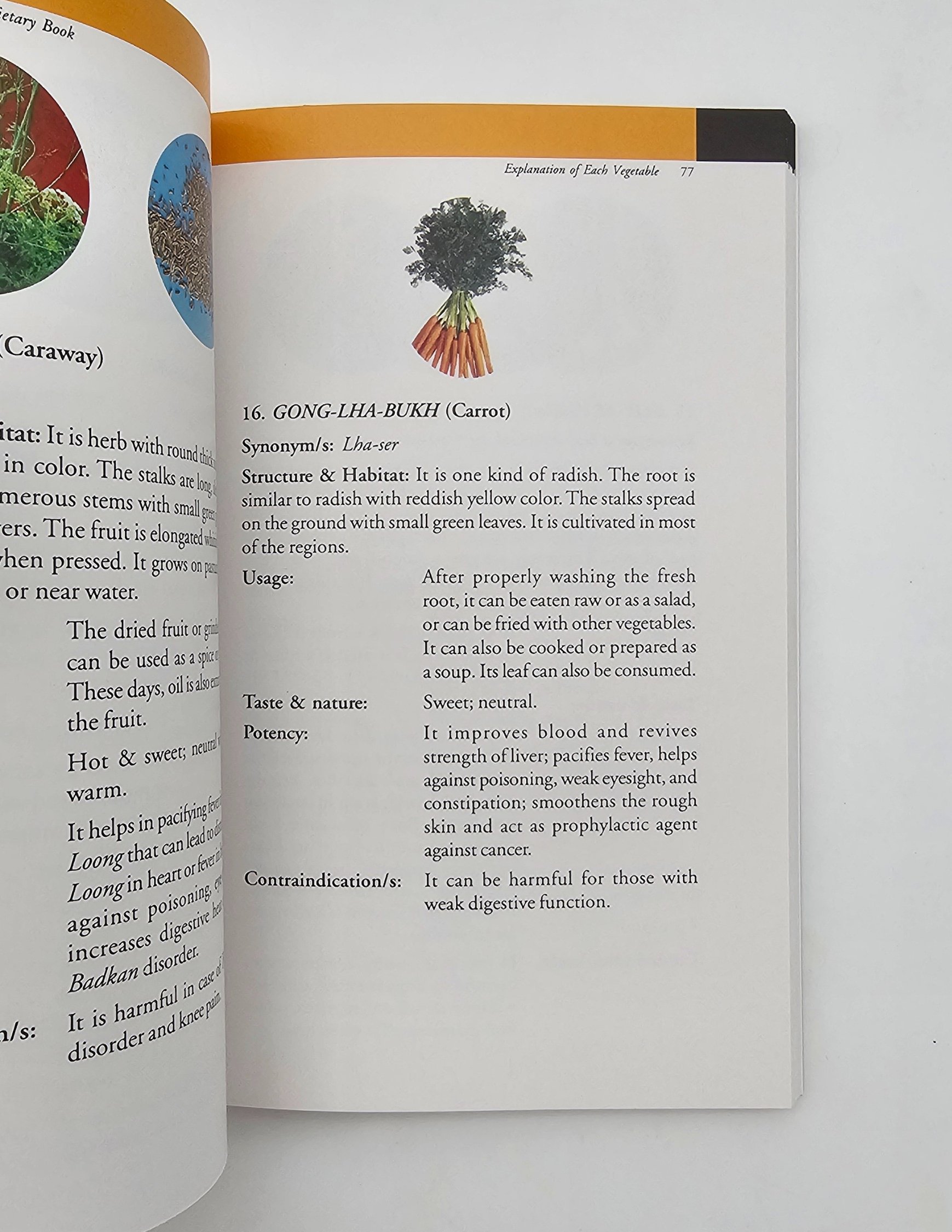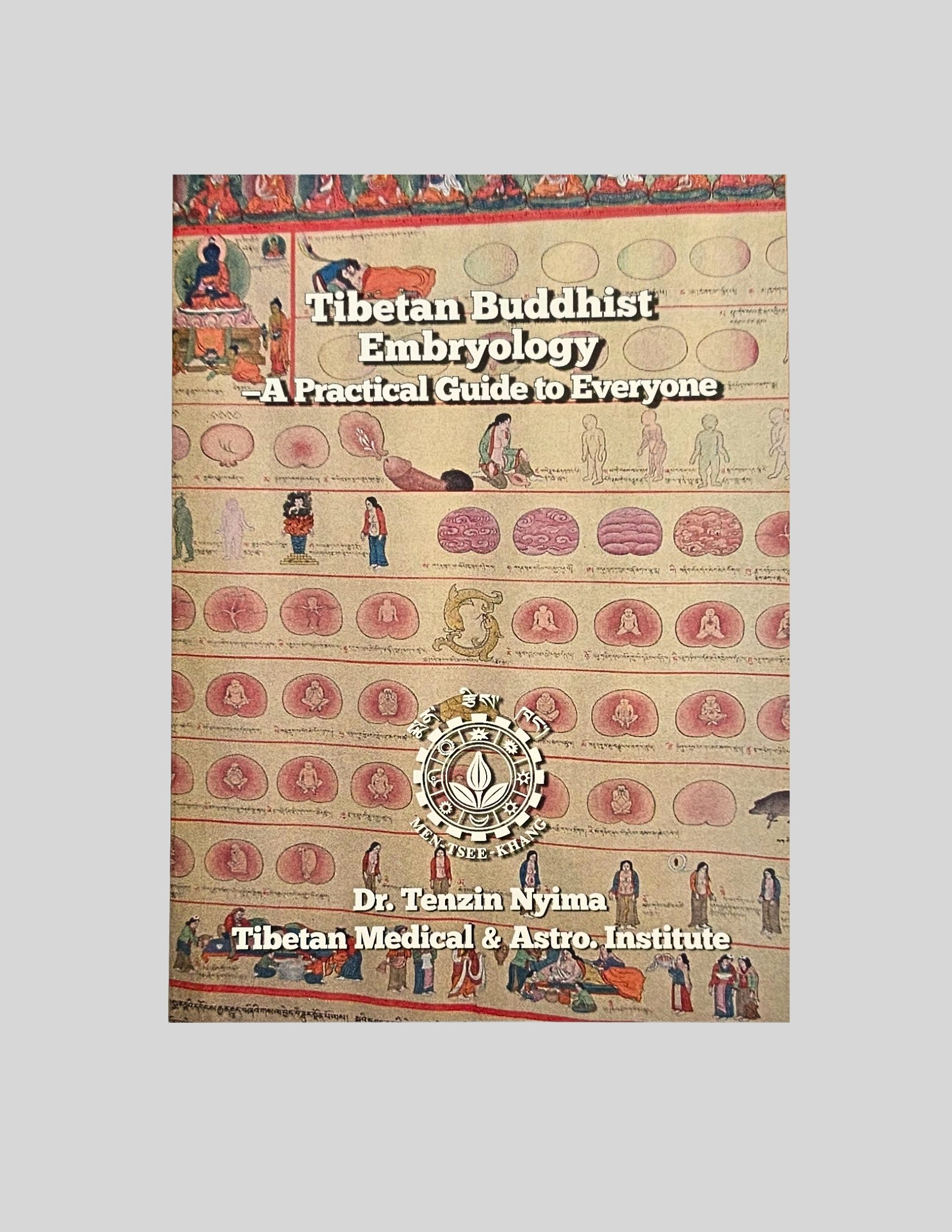
 Image 1 of 3
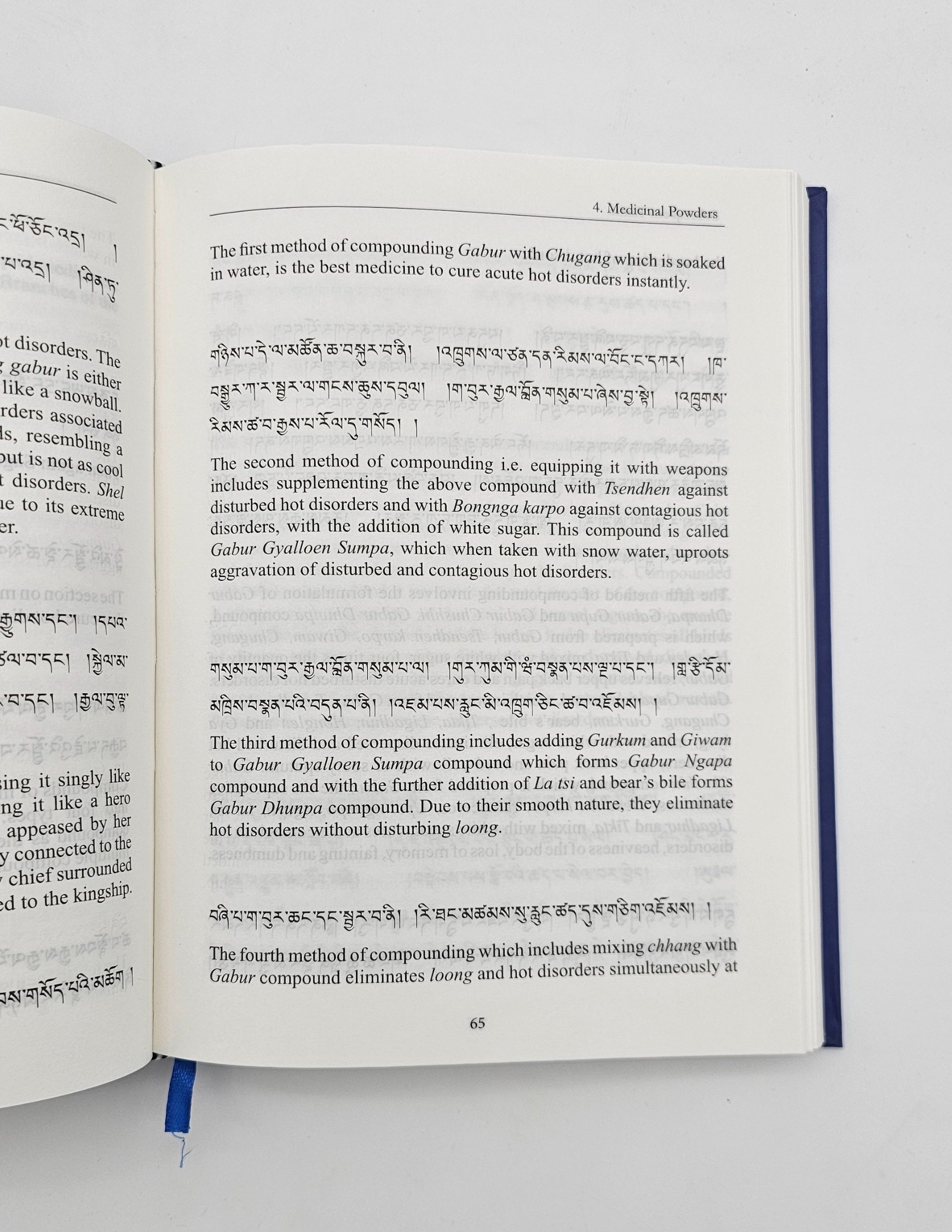 Image 2 of 3
 Image 3 of 3
> FREE US SHIPPING ON ORDER OVER $100 < > WE ACCEPT 30 DAYS RETURN < > LOCAL NYC PICK UP AVAILABLE AT CHECKOUT <
Explore the classical knowledge of Tibetan medicine with The Subsequent Tantra, the fourth and final treatise of the Gyueshi (Four Tantras), the foundational medical text of Sowa Rigpa, the traditional Tibetan Science of Healing.
Published by Men-Tsee-Khang, the Tibetan Medical and Astro Institute in Dharamsala, India, this hardcover book presents an English translation of the classical Tibetan medical teachings traditionally attributed to Yuthok Yonten Gonpo.
Building upon the foundations established in the Root Tantra, Explanatory Tantra, and Oral Instruction Tantra, the Subsequent Tantra focuses on the practical aspects of traditional Tibetan medicine, including diagnostic examinations, medicinal preparations, and therapeutic methods.
What You'll Discover
Traditional Tibetan Diagnostic Methods
• Principles and techniques of pulse diagnosis in Tibetan medicine
• Traditional urine examination and interpretation
• Methods used by Tibetan physicians to classify and examine health conditions
Traditional Medicinal Preparations
• Classical Tibetan approaches to preparing herbal medicines
• Traditional formulations such as powders, pills, syrups, and medicinal butters
• Methods of processing and preparing medicinal ingredients
Traditional Therapeutic Practices
• Classical approaches to external therapies
• Traditional evacuative methods described in Sowa Rigpa
• The historical application of specialized therapeutic techniques
About the Four Tantras (Gyueshi)
The Gyueshi consists of four interconnected medical treatises:
• The Root Tantra (Rtsa-rgyud): Introduces the fundamental principles of Tibetan medicine.
• The Explanatory Tantra (Bshad-rgyud): Explores traditional medical theory, anatomy, physiology, and the causes of disorders.
• The Oral Instruction Tantra (Man-ngag-rgyud): Examines traditional classifications of disorders and their approaches to treatment.
• The Subsequent Tantra (Phyi-ma-rgyud): Focuses on traditional diagnostic techniques, medicinal preparations, and therapeutic applications.
Together, these texts form the foundation of classical Tibetan medical education and scholarship.
Book Details
• Title: The Subsequent Tantra: From the Four Tantras of Tibetan Medicine
• Publisher: Men-Tsee-Khang Publication
• Format: Hardcover
• Pages: 348 (verify against your edition)
• Language: Tibetan and English (verify against your copy)
• Subject: Tibetan Medicine, Sowa Rigpa, Gyueshi, Traditional Diagnosis, and Tibetan Medical Literature
Who Is This Book For?
A valuable reference for students of Sowa Rigpa, Tibetan medical practitioners, researchers, scholars, and readers interested in the history and philosophy of traditional medical systems.
As the concluding tantra of the Gyueshi, this publication offers an important opportunity to explore the practical teachings preserved within Tibet's medical and scholarly heritage.
Please Note: This book presents traditional Tibetan medical theories and practices for educational, historical, and cultural study. It is not intended as a substitute for professional medical advice, diagnosis, or treatment.